Sustainable • Innovative • Reliable

Transforming
Plastic Industry

Leading provider of plastic recycling, precision injection moulding, and comprehensive engineering solutions. Building a sustainable future through innovative technology and environmental responsibility.
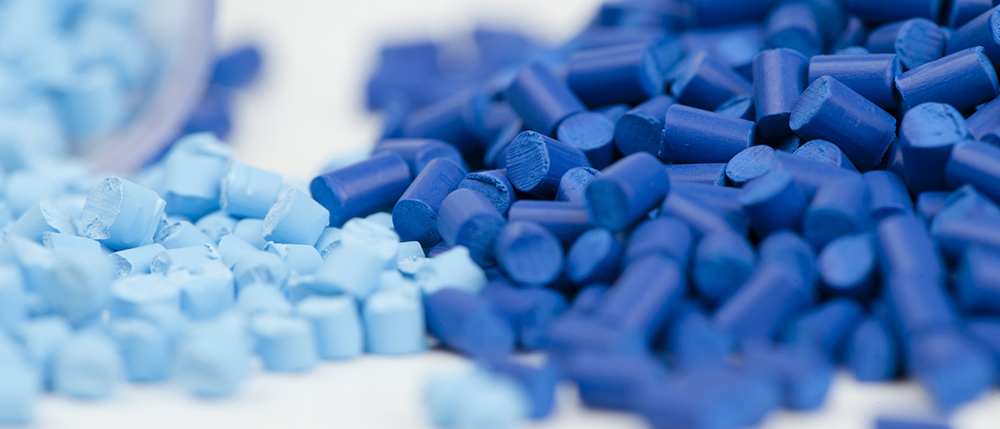
Manufacturing Facility
Recycling Facility

About Misa Global Solutions

Founded in 2025, Founded as an engineering company with the vision of creating plastic storage rotations through solutions, sustainable practices, and advanced engineering, our goal is to become an international leader serving a wide range of industries, from automotive to medical devices.

Our mission is clear: to build a sustainable future through innovative technology, environmental responsibility, and unwavering commitment to quality.

Our Services

Comprehensive solutions combining advanced technology, environmental responsibility, and engineering excellence

Plastic Recycling Solutions

Our state-of-the-art recycling facilities process various types of plastic waste, converting them into high-quality recycled materials. We employ cutting-edge separation, washing, and pelletizing technologies to ensure maximum material recovery and minimal environmental impact.
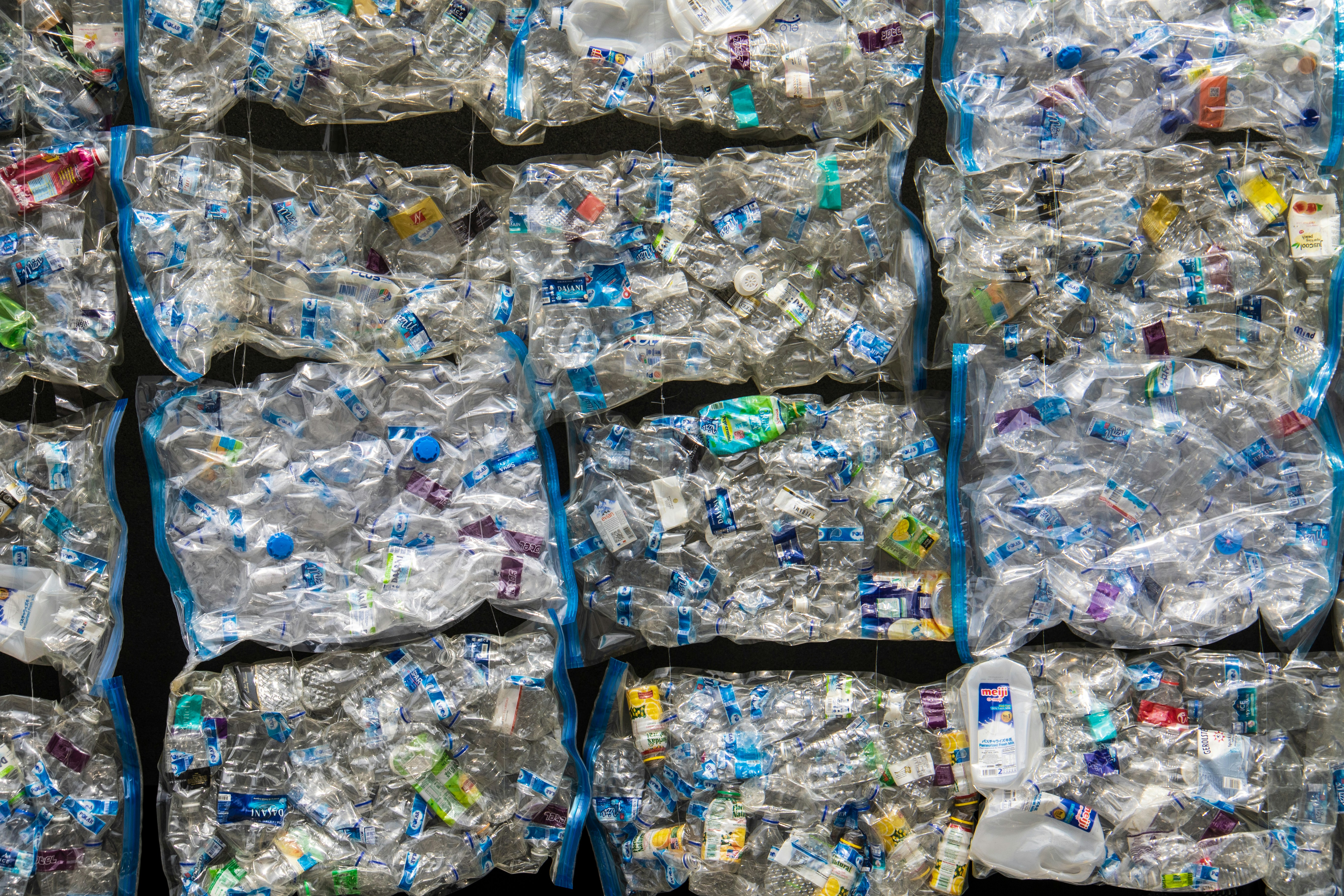
Key Features:

PET, HDPE, PP, and mixed plastic processing
Advanced sorting with AI-powered optical systems
Zero-waste recycling with 95% material recovery
PPWR (Packaging and Packaging Waste Regulation)
ISO 14001 certified environmental management

Benefits:

Reduce landfill waste by up to 90% Lower carbon footprint Cost-effective material recovery
Plastic Recycling

Injection Moulding Services

We operate a fleet of modern injection moulding machines ranging from 50 to 1500 tons, capable of producing components from 1g to 10kg. Our clean room facilities and automated production lines ensure consistent quality and high-volume output.
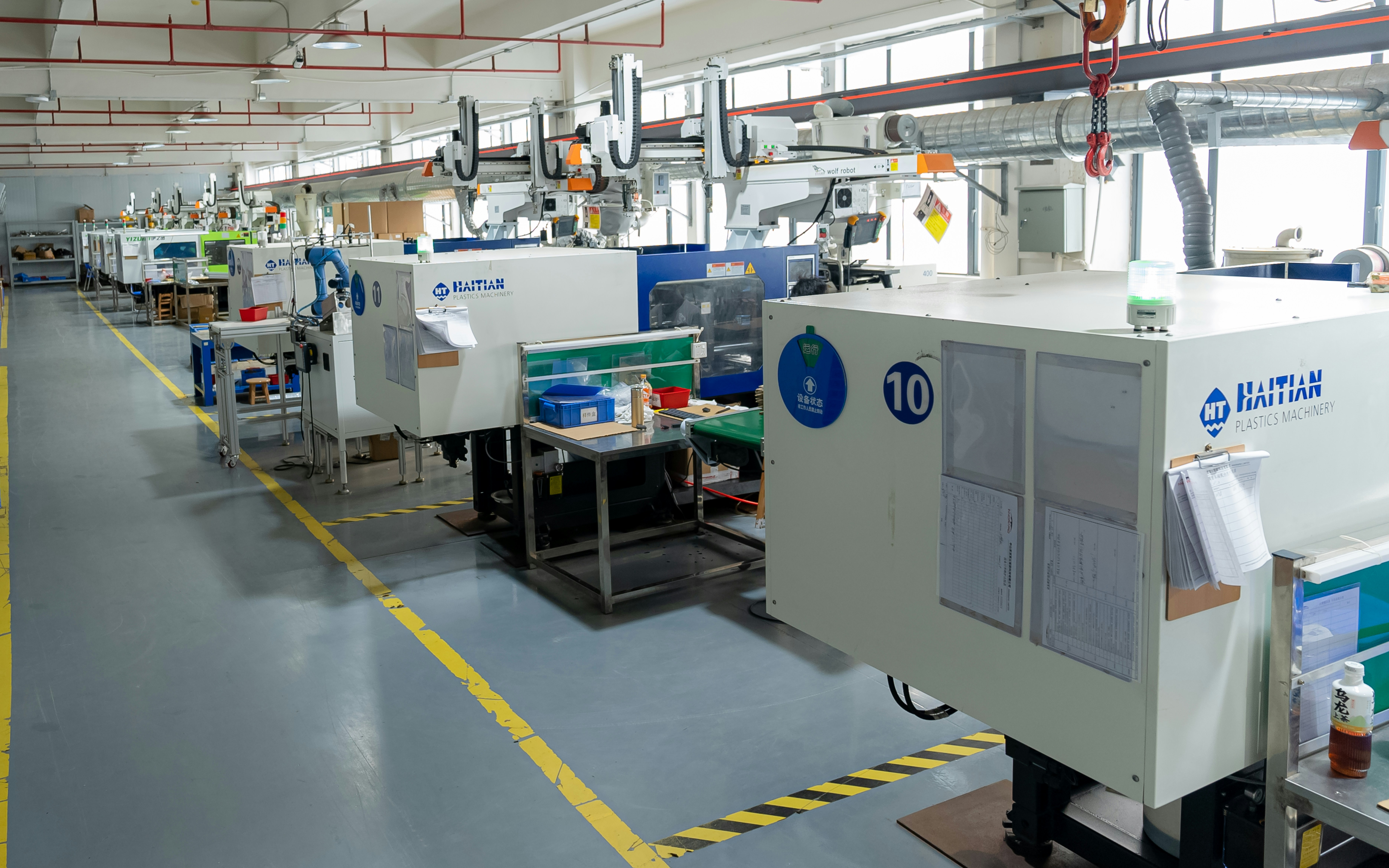
Key Features:

Multi-cavity precision moulding (±0.02mm tolerance)
Insert moulding and overmoulding capabilities
Engineering-grade resins and custom compounds
Real-time quality monitoring with Industry 4.0 integration

Benefits:

99.7% first-pass yield rate Rapid prototyping in 48 hours 24/7 automated production
Injection Moulding

Engineering Solutions

Our multidisciplinary engineering team provides comprehensive solutions from concept design to full-scale implementation. We specialize in process optimization, automation, and sustainable manufacturing systems.
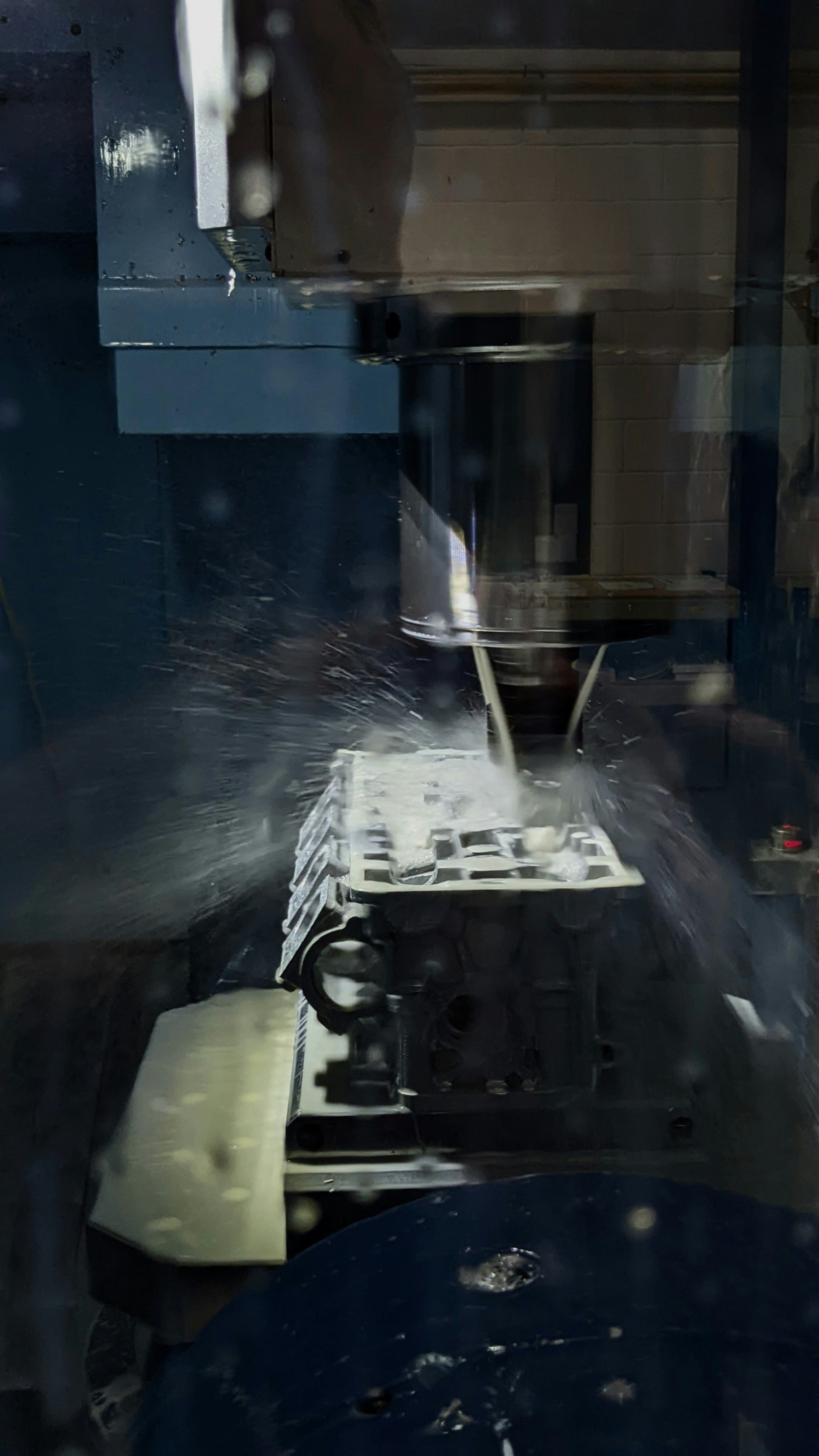
Key Features:

CAD/CAM design and mold flow analysis
Process automation and robotics integration
Energy efficiency audits and optimization
Complete turnkey project management

Benefits:

35% average cost reduction Faster time-to-market Sustainable solutions
Engineering Solutions

Types of Recycled Materials

Understanding the differences between post-consumer, post-industrial, and biorenewable recycled materials

Post-Consumer Recycled (PCR)

Materials derived from products that have been used by consumers and then collected for recycling—such as bottles, containers, packaging, or newspapers that reach end-users before disposal.

Key Properties

Source: Consumer waste (post-use)
Quality: Variable, often lower due to impurities
Contamination: Higher (food residue, labels, mixed types)
Processing: Requires advanced sorting and cleaning

Common Applications

  • Packaging materials and containers
  • Construction materials
  • Consumer goods and products
  • Textile fibers and fabrics
  • Outdoor furniture and decking

Environmental Impact

Reduces landfill waste Lowers virgin material demand Closes consumer loop Quality challenges
3-7%
Typical PCR content in packaging
Growing
Driven by EU & NA regulations

Post-Industrial Recycled (PIR)

Materials from manufacturing waste generated before the product reaches the consumer, such as production trimmings, rejected items, or excess materials from factories.

Key Properties

Source: Industrial/manufacturing waste
Quality: High, consistent, and uniform
Contamination: Lower (cleaner, more homogenous)
Processing: Minimal cleaning required

Common Applications

  • Automotive components and parts
  • Electronics housings and casings
  • Food-grade packaging (FDA approved)
  • High-performance industrial products
  • Medical device components

Environmental Impact

Reduces industrial waste High-value applications Consistent quality Closes industrial loop
15-30%
Typical PIR content achievable
Premium
Quality comparable to virgin

Biorenewable + Recycled

Plastics made from biological sources (corn, sugarcane, algae) rather than petroleum, combined with recycling technologies to create sustainable circular materials.

Key Properties

Source: Plant-based feedstocks + recycled content
Quality: Depends on processing and additives
Carbon Footprint: Significantly lower than petroleum-based
Recyclability: Varies by material type and infrastructure

Common Applications

  • Food packaging and service ware
  • Disposable products and utensils
  • Agricultural films and mulches
  • Biomedical applications
  • 3D printing filaments

Environmental Impact

Reduces fossil fuel use Lower carbon footprint Renewable resources Infrastructure developing
5M tons
Chemical recycling by 2030
Growing
Market expanding rapidly

PCR vs PIR vs Biorenewable: Quick Comparison

Feature PCR PIR Biorenewable
Origin Consumer waste (post-use) Industrial/manufacturing waste Plant-based feedstocks
Quality Variable, often lower High, consistent Depends on processing
Contamination Level Higher Lower Low (if virgin), varies if recycled
Best For Packaging, consumer goods Automotive, electronics, food-grade Food packaging, disposables
Circularity Closes consumer loop Closes industrial loop Reduces fossil dependence
Market Growth High (policy-driven) Stable (quality-driven) Emerging (innovation-driven)

Plastic Recycling: Complete Guide

Understanding which plastics can be recycled and the global impact of recycling initiatives

400M tons/year
Global Plastic Waste
Generated annually worldwide
9%
Current Recycling Rate
Only 9% of plastic is recycled globally
$57.9B
Market Growth
Expected market size by 2029
46.3%
Asia-Pacific Share
Leading region in plastic recycling

Recyclable Plastic Types & Global Rates

PET/PETE
Type 1
25-30%
Recycling Rate

Polyethylene Terephthalate

Melt Temp:
260-280°C
Mold Temp:
70-120°C
Density:
1.38 g/cm³
Shrinkage:
1.5-2.0%
Chemical Resistance:

Good resistance to solvents, oils, greases

Strength:

Semi-rigid, high tensile strength

Clear/transparent Good barrier properties Heat-resistant up to 80°C Semi-crystalline

Common Uses: Water bottles, food containers, textiles

Widely Recyclable
HDPE
Type 2
30-35%
Recycling Rate

High-Density Polyethylene

Melt Temp:
180-250°C
Mold Temp:
20-95°C
Density:
0.94-0.97 g/cm³
Shrinkage:
0.2-0.6%
Chemical Resistance:

Excellent resistance to acids, bases, solvents

Strength:

High tensile strength (3200-4500 psi)

Opaque High impact resistance Low shrinkage Food-safe

Common Uses: Milk jugs, detergent bottles, pipes

Widely Recyclable
PVC
Type 3
5-10%
Recycling Rate

Polyvinyl Chloride

Melt Temp:
170-220°C
Mold Temp:
40-80°C
Density:
1.3-1.45 g/cm³
Shrinkage:
0.4-0.8%
Chemical Resistance:

Moderate resistance, sensitive to UV

Strength:

Rigid, good dimensional stability

Glossy finish Flame retardant Weather resistant Cost-effective

Common Uses: Pipes, window frames, medical tubing

Widely Recyclable
LDPE
Type 4
10-15%
Recycling Rate

Low-Density Polyethylene

Melt Temp:
160-200°C
Mold Temp:
30-60°C
Density:
0.91-0.93 g/cm³
Shrinkage:
1.0-2.0%
Chemical Resistance:

Very good resistance to acids, bases

Strength:

Flexible, soft, impact resistant

Waxy feel Excellent moisture barrier Flexible/stretchable Low cost

Common Uses: Shopping bags, squeeze bottles, films

Widely Recyclable
PP
Type 5
15-20%
Recycling Rate

Polypropylene

Melt Temp:
200-280°C
Mold Temp:
10-60°C
Density:
0.9-0.92 g/cm³
Shrinkage:
1.0-2.5%
Chemical Resistance:

Excellent resistance, inert to acids/bases

Strength:

Good tensile & flexural strength

Fatigue resistant Heat resistant Lightweight Low moisture absorption

Common Uses: Food containers, automotive parts, textiles

Widely Recyclable
PS
Type 6
<1%
Recycling Rate

Polystyrene

Melt Temp:
180-280°C
Mold Temp:
10-80°C
Density:
1.05 g/cm³
Shrinkage:
0.4-0.7%
Chemical Resistance:

Poor resistance, degrades in UV

Strength:

Rigid but brittle (GPPS), impact modified (HIPS)

Clear/transparent (GPPS) Low shrinkage Good insulation Flammable

Common Uses: Disposable cups, packaging, insulation

Limited Recycling

Let's Build Something Together

Ready to transform your plastic manufacturing process? Get in touch with our experts.

Contact Information

Email Us

info@misaglobalsolutions.com

We reply within 24 hours

Call Us

+90 (505) .......

Mon-Fri 8:00 AM - 6:00 PM EST

Visit Us

Adalet Mah. Manas Bulv. Folkart Towers No:39/3408
BAYRAKLI / IZMIR / TURKEY

Send Us a Message